
Kansas City Sports Architecture
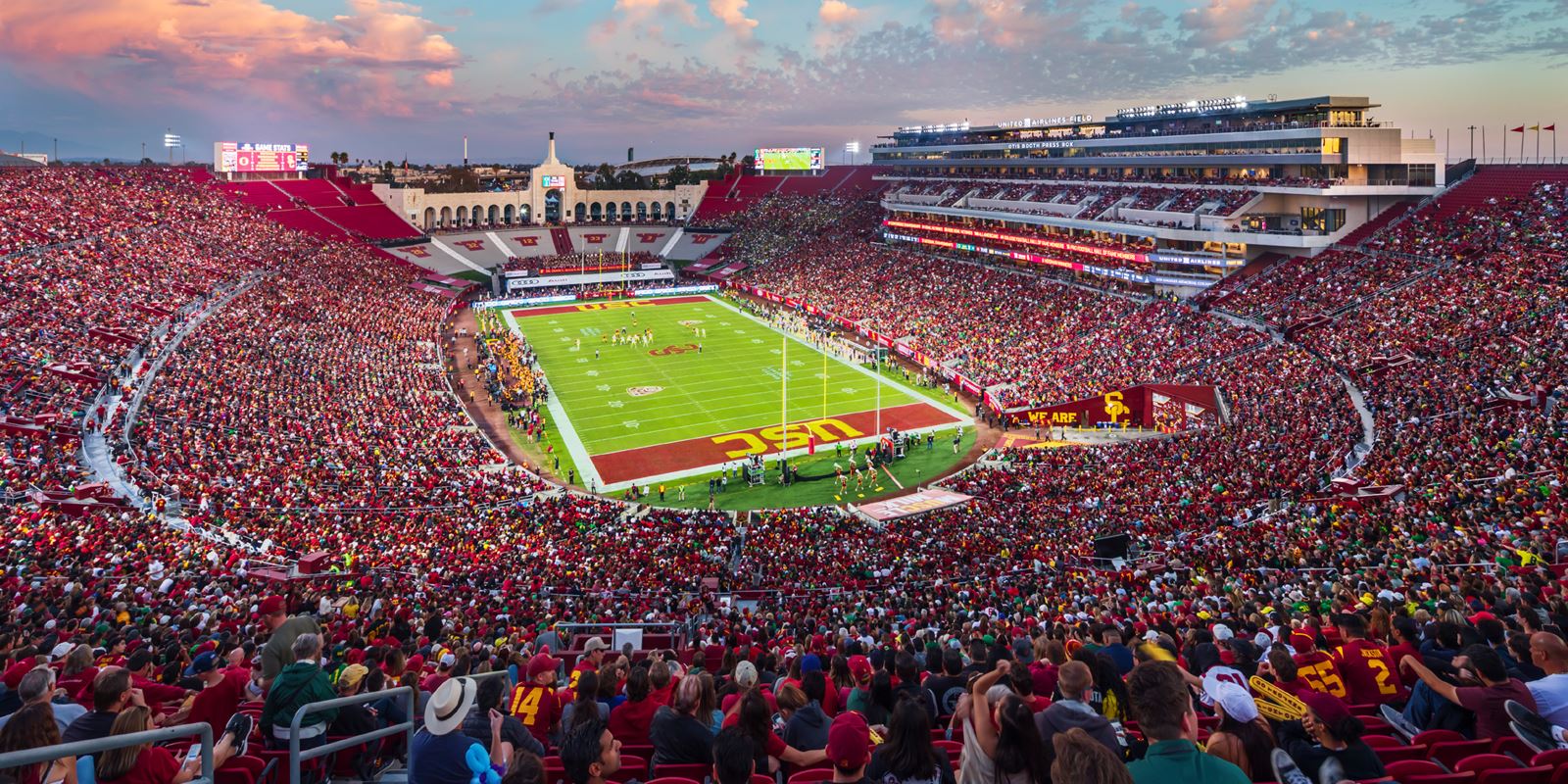
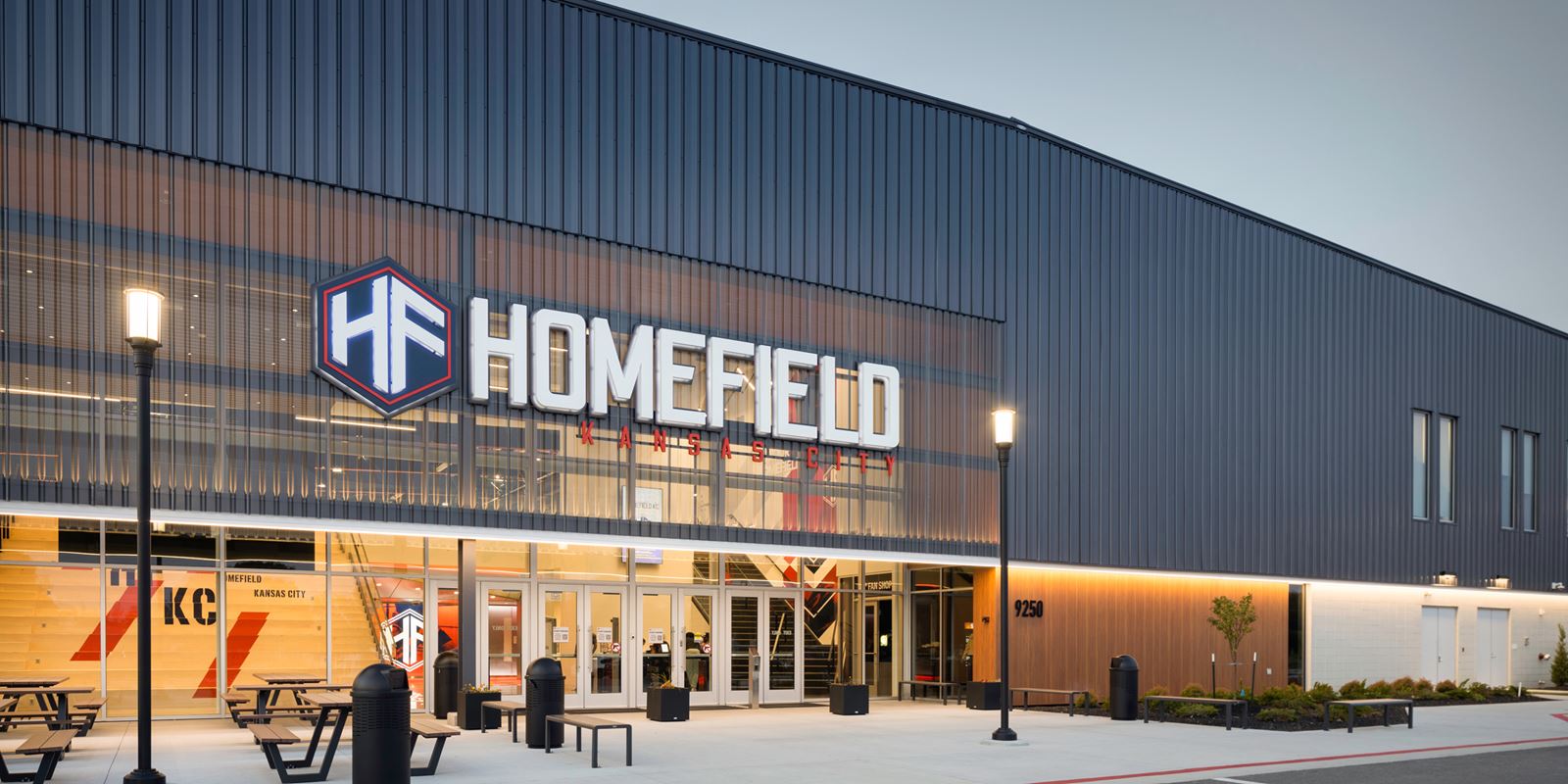
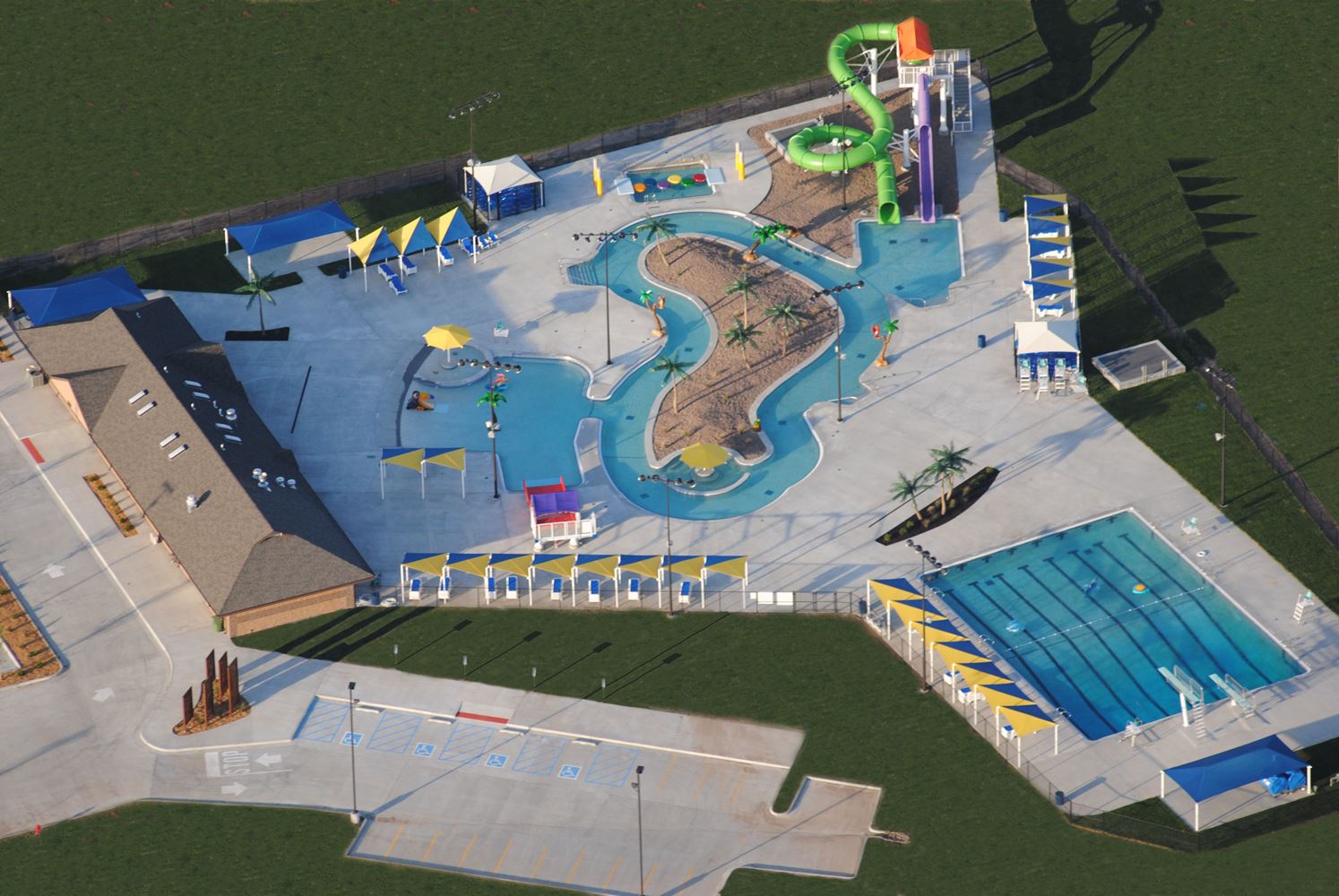
Welcome to Kansas City — A Global Home for Great Stadiums
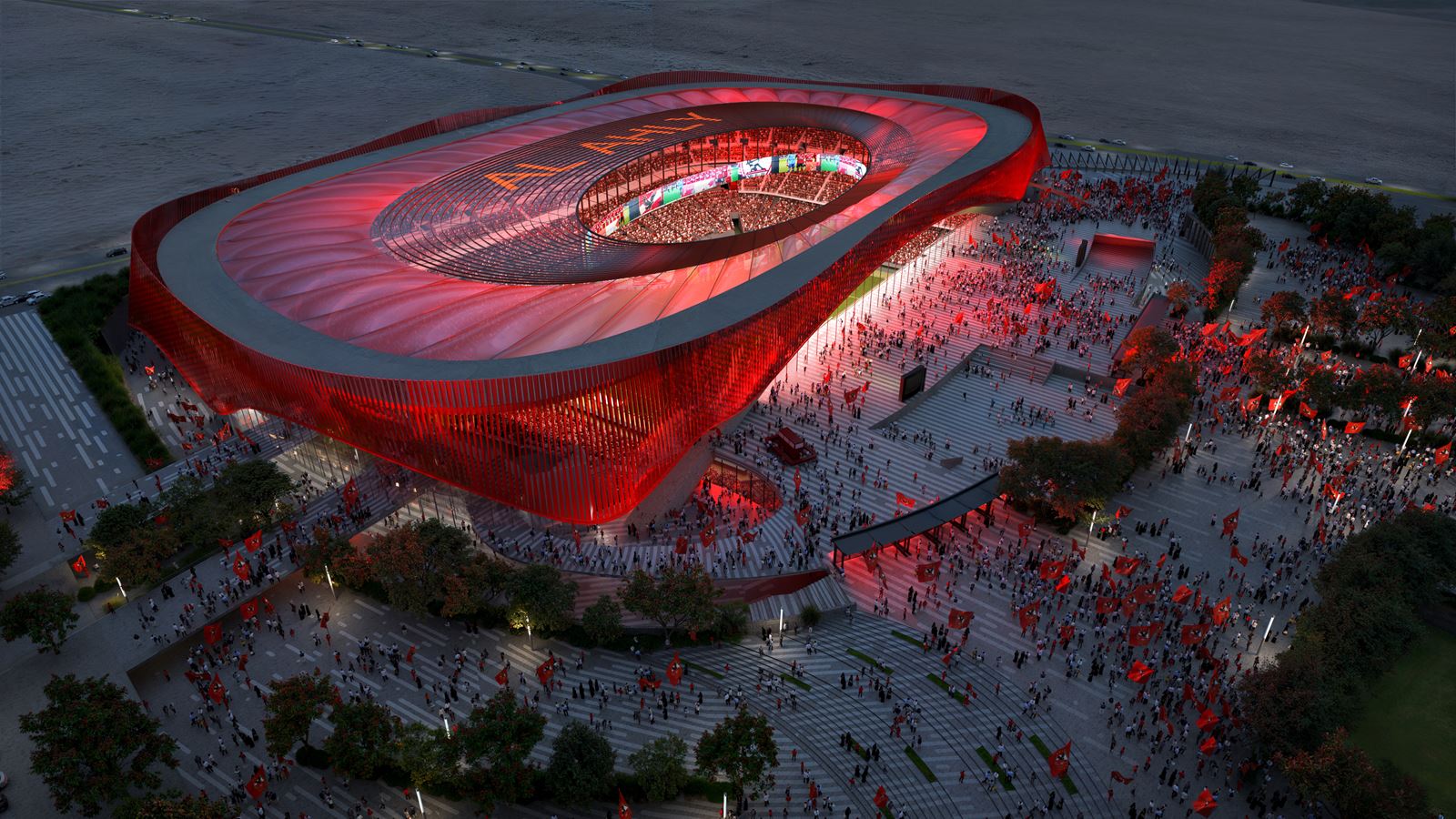
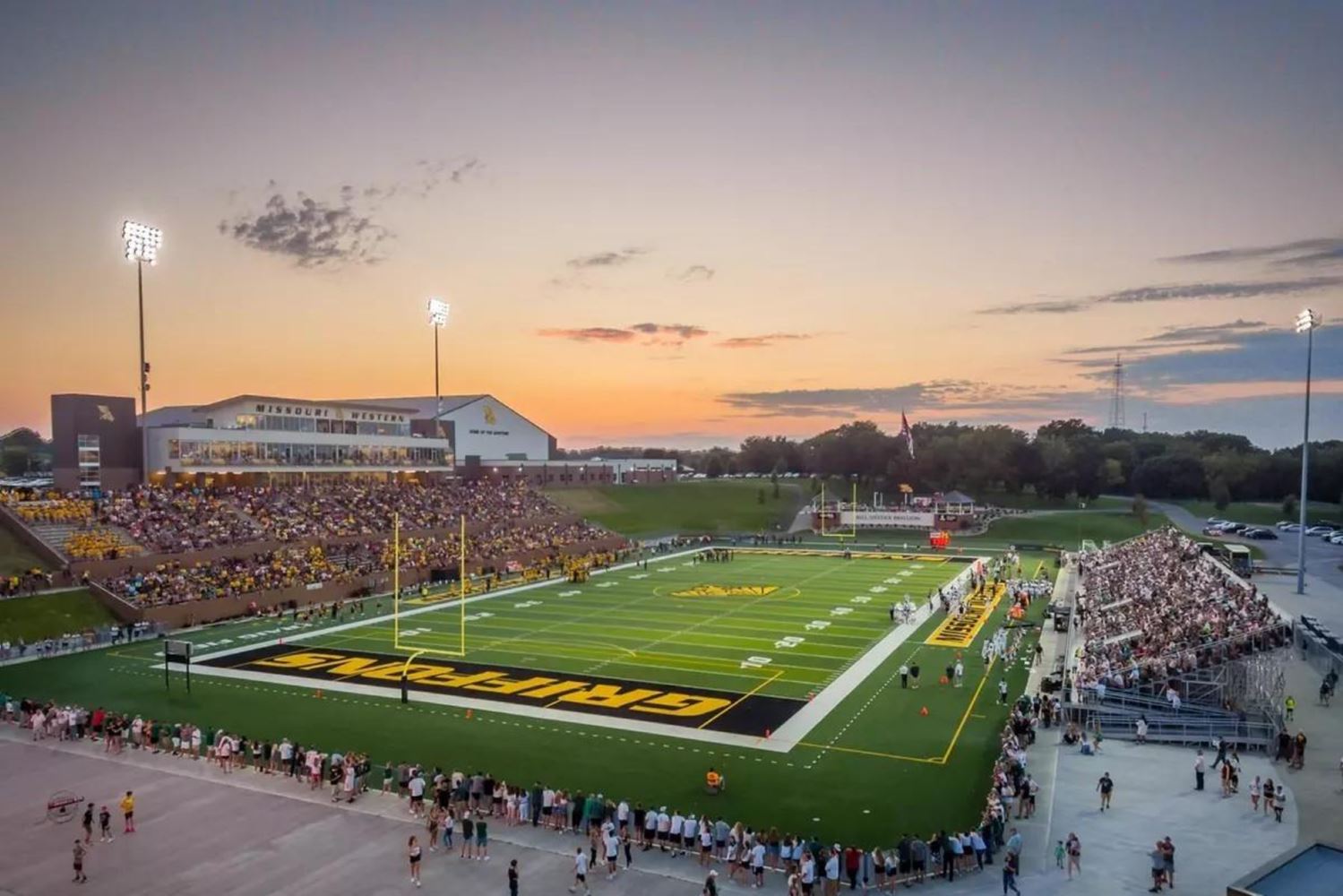
Welcome to FIFA World Cup 2026 and to Kansas City: the Soccer Capital of America, the home of legendary BBQ, and—surprisingly to many—the Sports Architecture Capital of the World.
Right here in Kansas City, more sports venues are designed than anywhere else on Earth.
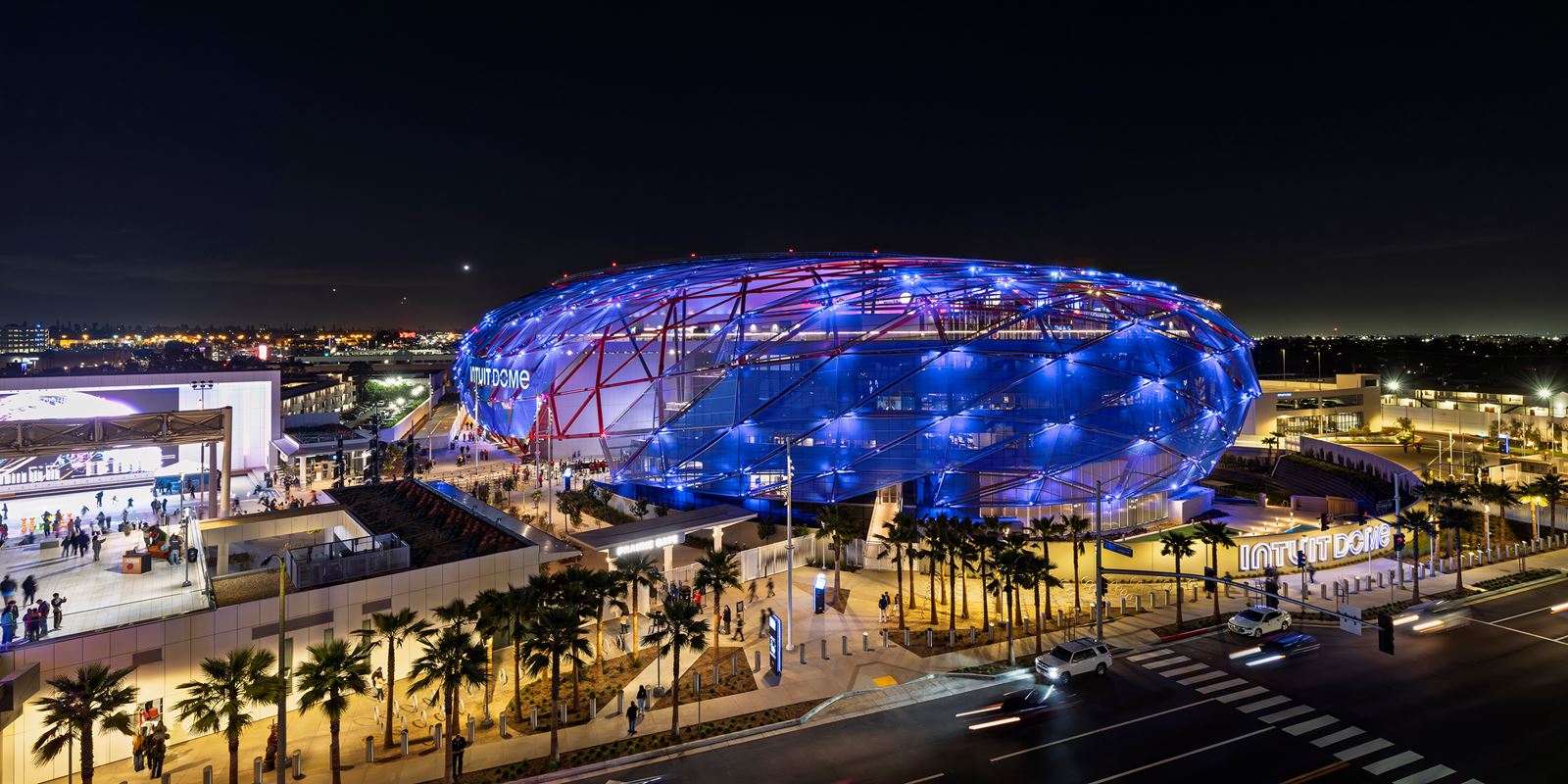
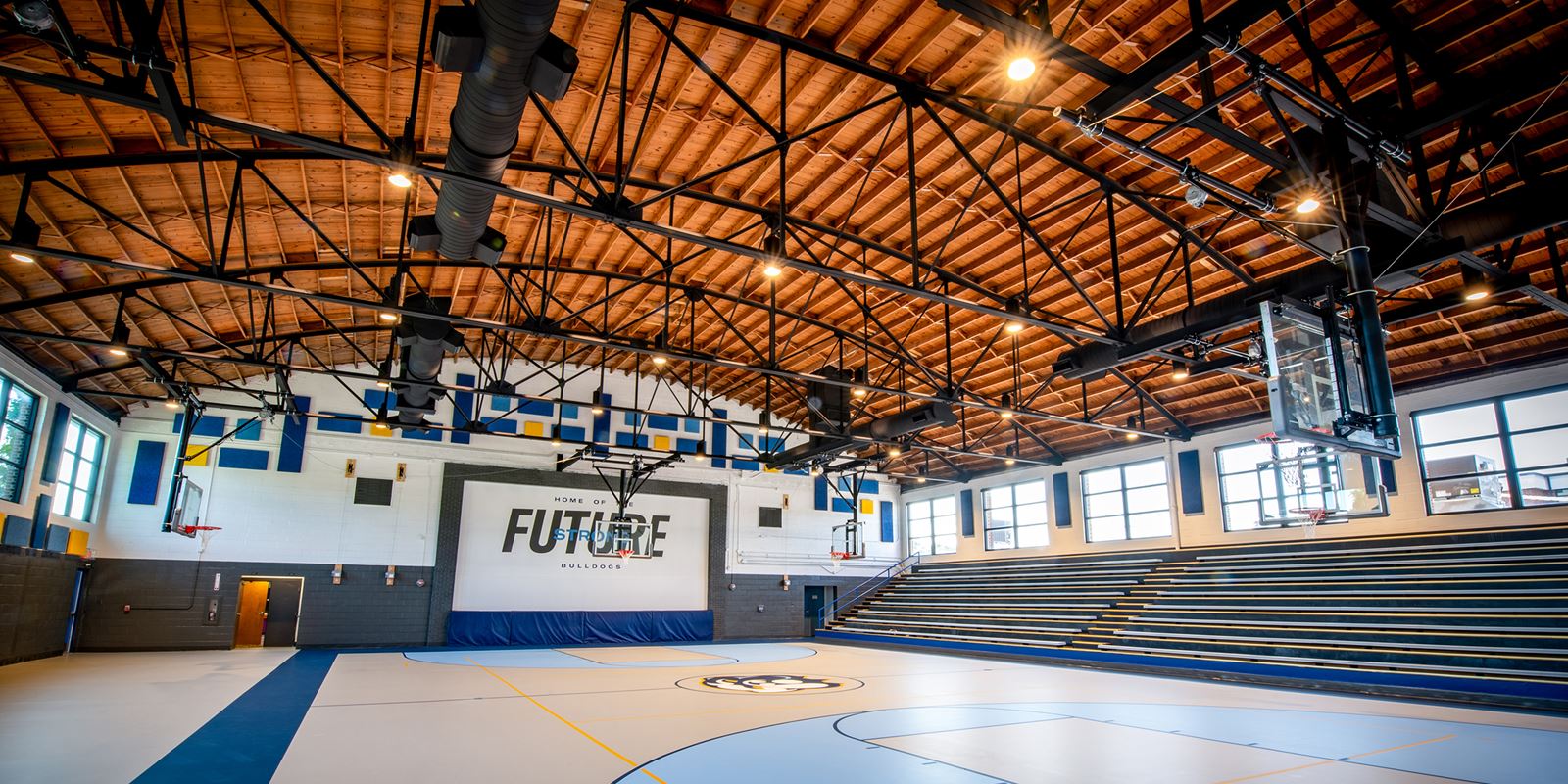
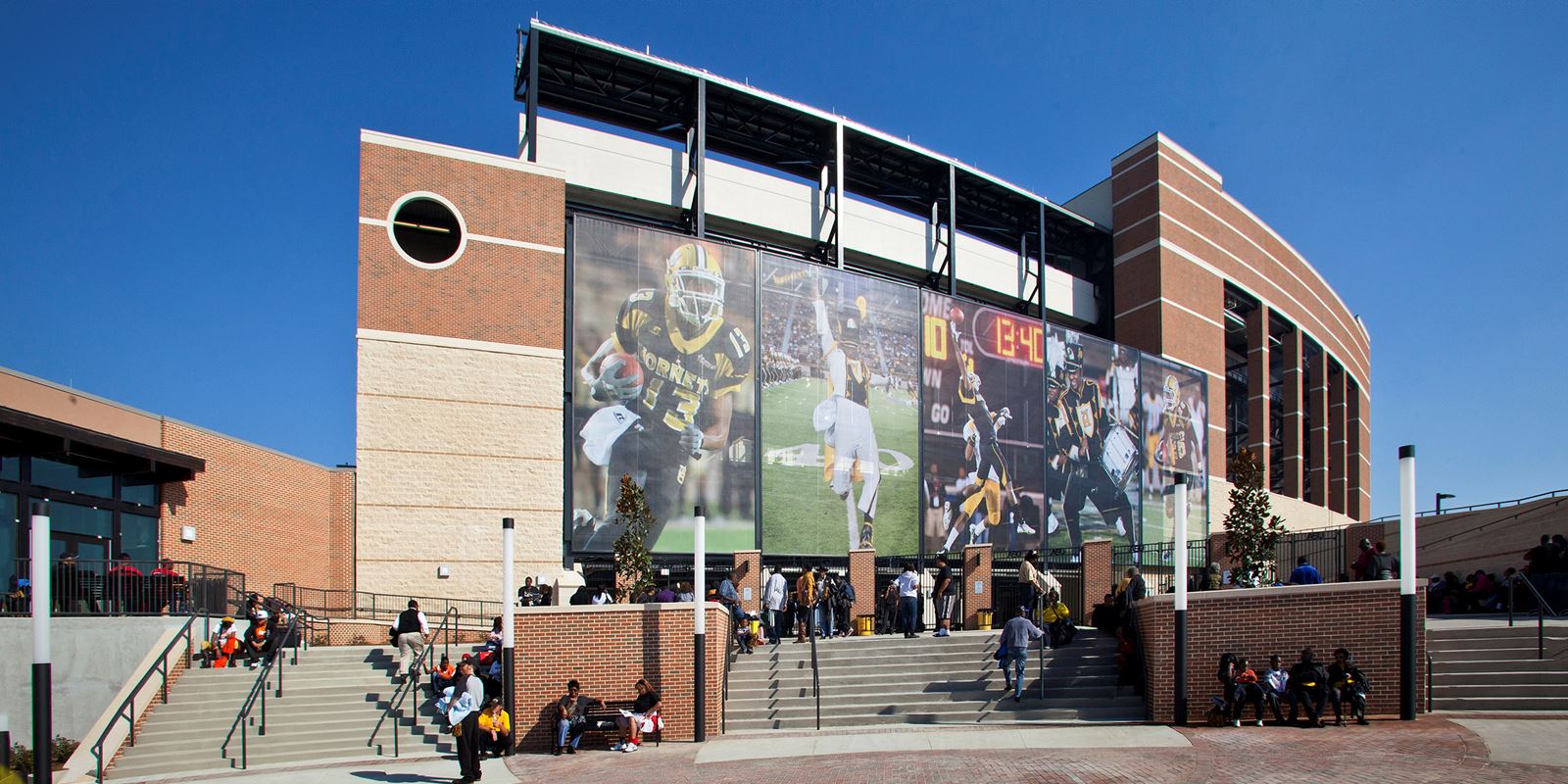
More than 700 architects and designers across 20 firms, along with hundreds of engineers and technical experts, call KC home. Together, they design stadiums, arenas, and sports complexes across the globe—from professional teams to universities, cities, and youth sports.
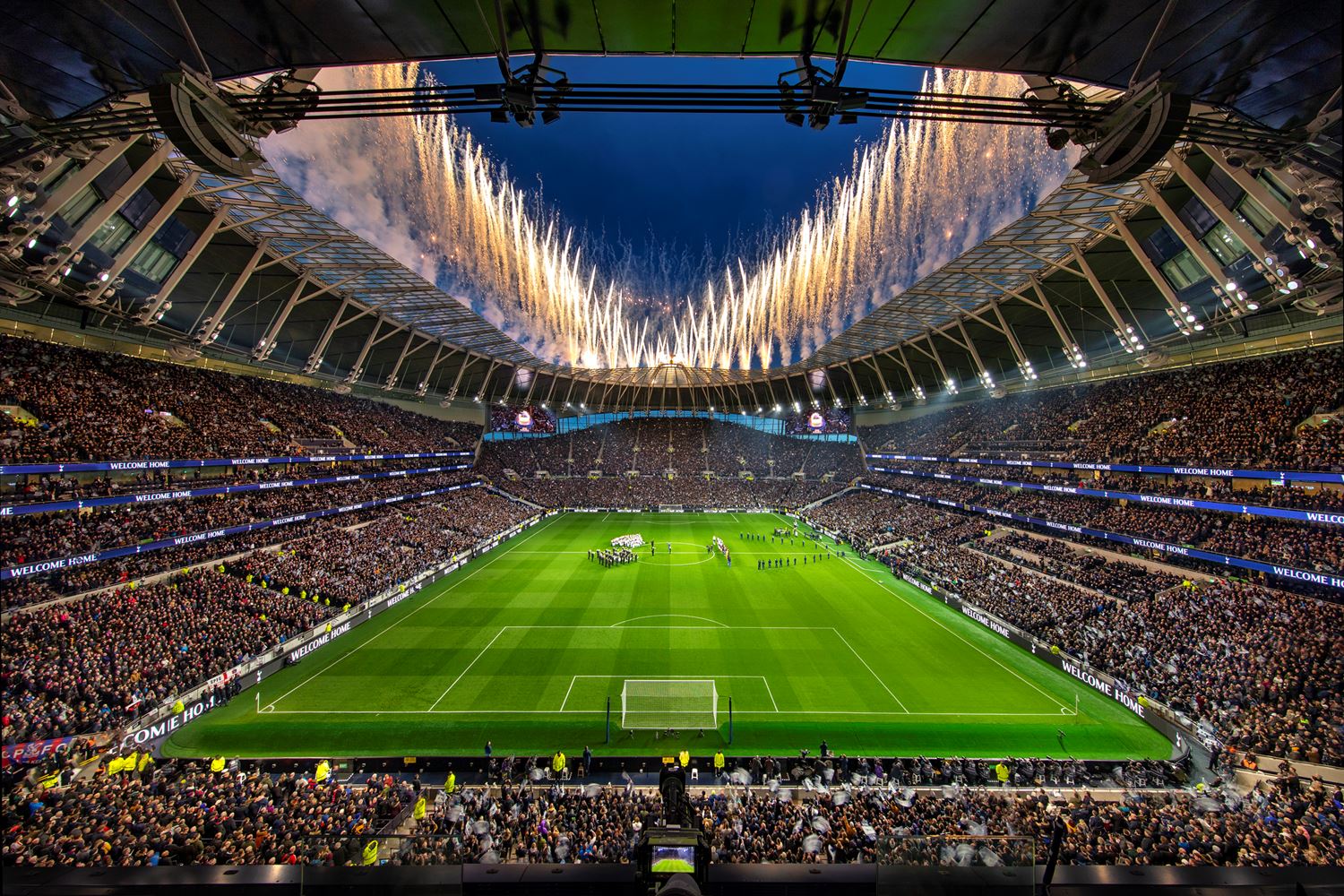
Chances are, the stadium in your own hometown or country was designed by a Kansas City firm.
The numbers are incredible:
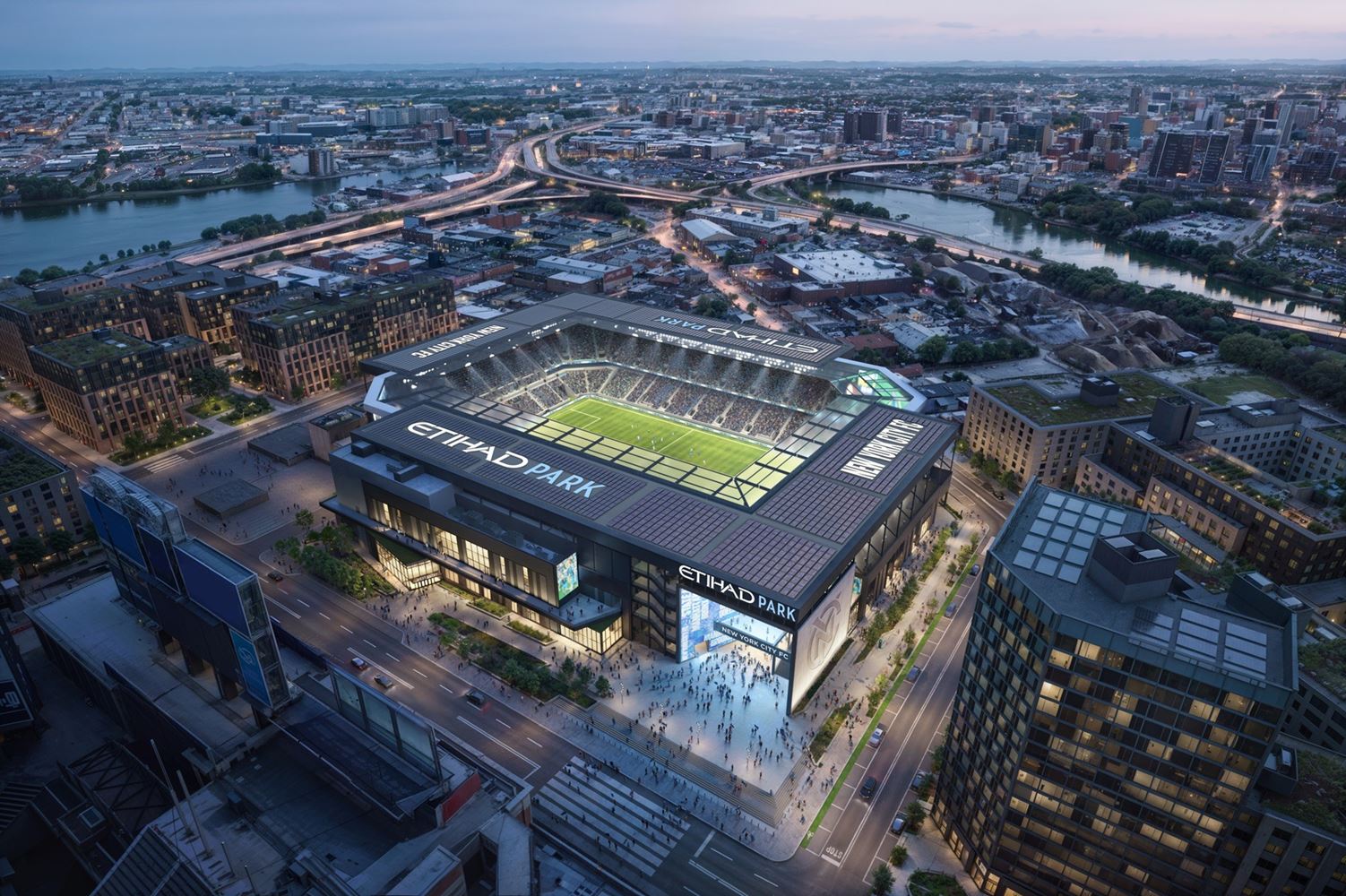
- 13 of the 16 stadiums hosting FIFA World Cup 2026 matches were designed by Kansas City sports architects
- 70% of NFL stadiums
- 80% of MLB ballparks
- 90% of NBA and NHL arenas
- 66% of MLS stadiums
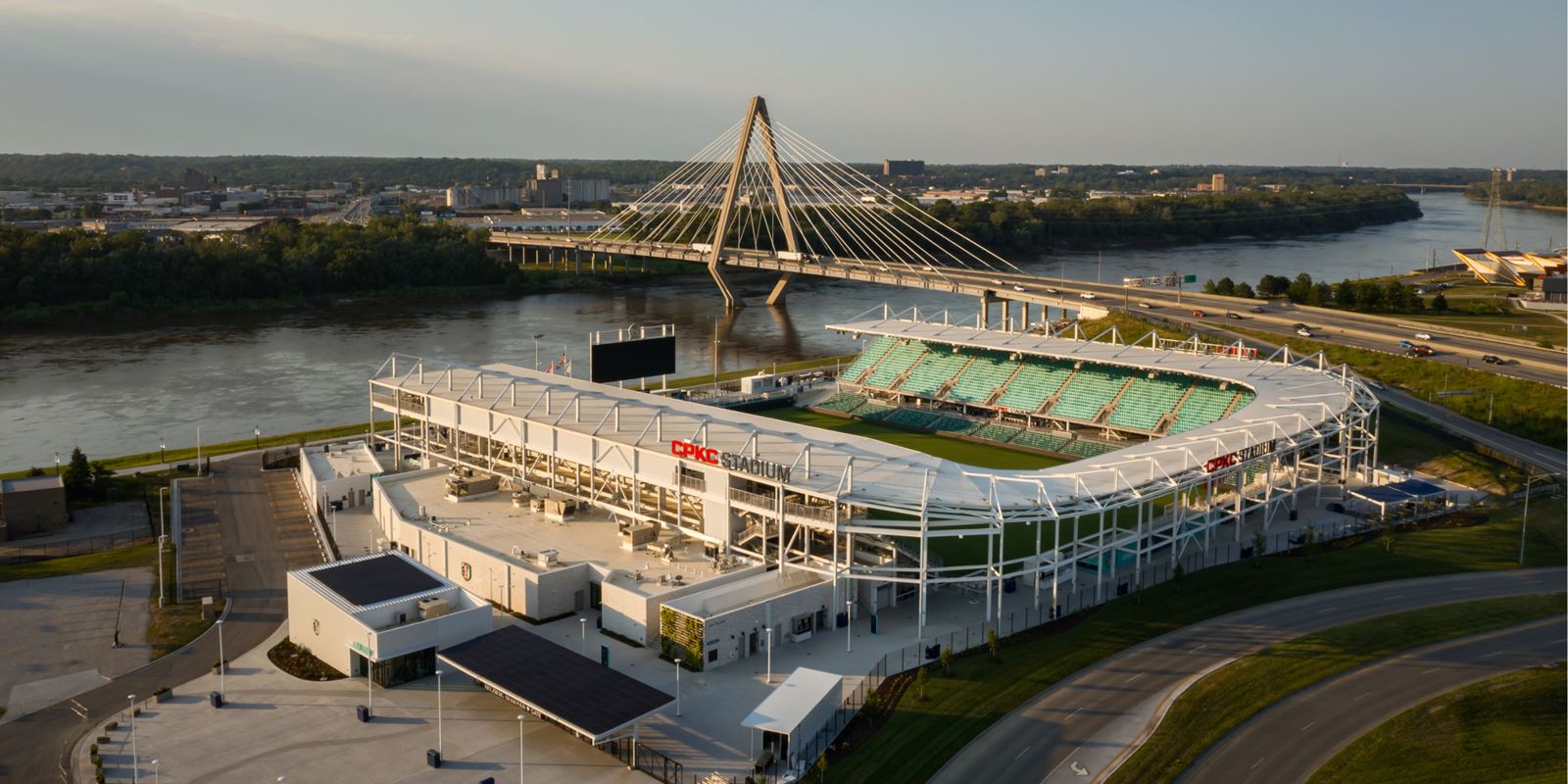
- 100% of stadiums built specifically for women’s professional soccer, including Kansas City Current’s CPKC Stadium
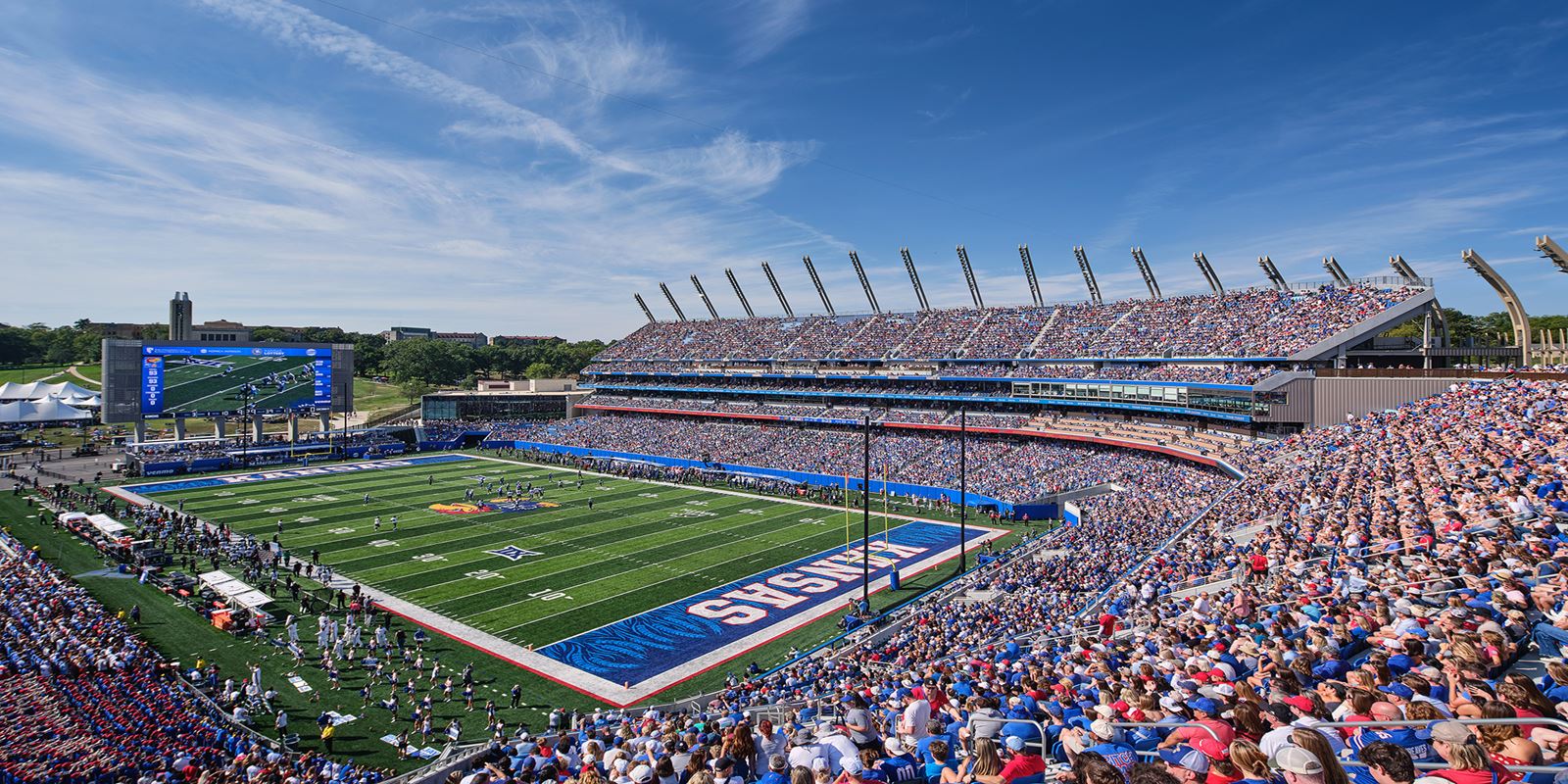
- Plus 4,000+ college and university sports facilities worldwide
This global impact began nearly 65 years ago with a bold local idea: two stadiums, side by side, each built specifically for its sport. That vision became the Truman Sports Complex—home to Kauffman Stadium and Arrowhead Stadium, where six unforgettable World Cup matches will be played in 2026 as “Kansas City Stadium.”
As you enjoy the soccer/football/fútbol matches and explore our city, we invite you to discover the people behind the places where the world plays.
Explore this site to learn the story of Kansas City’s sports architecture legacy—and the firms that continue to shape stadiums, cities, and fan experiences around the world.
Welcome to Kansas City. And welcome to the heart of global sports design.
History of Kansas City Sports Architecture
Why Kansas City? Why are so many sports facility design architects working and living here? It’s likely that everyone working within the “sports architecture” industry in Kansas City have been asked this question dozens of times by family, friends, clients and even curious strangers. The fact is, Kansas City has the highest concentration of sports architects found anywhere in the world!
There are currently 20+ Kansas City-based architecture firms working daily designing multiple types of sports buildings all over the United States and abroad. Combined, these companies employ more than 700 architects and staff. A third of these firms also have sports design offices scattered around the country and world employing an additional 650 staff. The four largest sports architecture firms in the world are headquartered here. HNTB; Populous (from 1983 to 2008 named HOK Sport); AECOM (formerly Ellerbe Becket); and HOK Kansas City (called 360 Architecture 2004-2014).
How did this come to pass? What are the origins of this truly amazing story?
Significant changes occurred throughout the United States during the post World War II years. Increased construction of new homes, expanding suburbs and the building of the national highway system. There was also a surge in the popularity of sports, primarily professional baseball and football. Between decaying early 1900s constructed stadiums and the expanding number of teams the demand for new stadiums grew.
In the mid-1960s Kansas City formed the Jackson County Sports Authority. The 5-person Board was tasked with one sole directive: build a sports complex for the city.
At the time, Kansas City was home to the Kansas City Chiefs and the Kansas City A’s. Both played in Municipal Stadium, an aging 30,000-seat stadium built in 1923 and located at 22nd Street and Brooklyn Avenue. It had originally been home to the Kansas City Blues (farm club of the New York Yankees 1936-1954) and the Kansas City Monarchs, the longest running team of the Negro Leagues.
A new type of stadium design had emerged in 1961, the “multipurpose stadium.” Touted as the “stadium of the future” these austere round-shaped structures would be constructed in 15 cities during the decade. Their popularity grew from one unique feature: by moving large sections of seats located adjacent to the field of play they could accommodate either baseball or football, two sports with very different geometries. In reality these “concrete donuts” (as they would eventually be labeled) didn’t work well for either sport. Today they’ve all been abandoned and demolished.
Kansas City leaders would take a different approach as they explored their future sports complex. They dismissed the idea of the fashionable “multipurpose stadium” and instead chose to build two sports specific stadiums, one for football and one for baseball. They would be built outside the urban core near the junction of two relatively new interstate highways.
The architects selected for the design included the partnering of Denver-based Charles Deaton and Kivett & Myers, Kansas City’s largest and most prominent architecture firm at the time. An architect working for Kivett on the football stadium design was Ron Labinski, FAIA. By the time construction was completed in 1972 (Arrowhead Stadium) and 1973 (Royals, now Kauffman, Stadium) he was convinced that there had to be a sports facility design market “out there.” One in which other cities and teams would seek to design and build their own sports specific stadiums, following Kansas City’s lead. He was determined to be on the leading edge of bringing it to fruition.
Soon thereafter Ron opened his own firm called DJLM Architects. After several years he and a few like-minded architects joined HNTB (which had acquired Kivett & Myers in 1975). In 1983 Ron and a core group of sports design specialists would depart HNTB. They opened the first ever “sports only” architecture firm. It was named HOK Sport. The firm rapidly grew adding to their portfolio of projects and staff count.
HNTB was not deterred by the staff exoduses and restocked their team of sports design professionals. However, in 1988 a handful of these architects left HNTB and opened a sports design office for Minneapolis-based Ellerbe Becket. Within the span of 5 years Kansas City had become home to the 3 largest sports architecture firms in the world, the three companies officed within a few miles of one another. The competition for winning clients and projects, in addition to maintaining staff and design knowledge was very competitive.
This emerging market of designing new and renovated sports buildings: football stadiums, baseball ballparks and basketball and hockey arenas, was being fueled by a new type of fan amenity. The era of premium seating had arrived. At the outset this included club seating and private suites. Amenities provided to these expensive ticket holders included nearby parking, secured building access, as well as club membership offering upscale food and beverage service.
By the mid-1990s the number of emerging professional and collegiate sports facility design project opportunities had greatly expanded. As a result numerous architects working in local large firms left such employment to establish their own practices. The number of new sports design firms (in addition to existing companies adding sports design to their list of market types) ballooned between 1995 and 2025. This included 6 new firms during the 1990s; 9 between 2000 and 2005; and another 14 between 2006 and 2025. Nearly all established offices in Kansas City. And each was led by one or more architects having ties back to HNTB, HOK Sport, and/or Ellerbe Becket. A fourth large firm emerged in 2004 called 360 Architecture.
And in the past few years several rival out-of-town sports design practices have opened offices in Kansas City putting them near the best and brightest sports design and technical architects found anywhere in the world. The leaders of these new enterprises are, to no surprise, descendants of the Kansas City Sports Architecture “family tree.”
Kansas City, and only Kansas City, can lay claim as The Sports Architecture Capital of the World. It truly exists nowhere else, and if history is any indication, Kansas City will retain that crown for generations to come.
History provided by Tom Waggoner, AIA.
Our thanks to Irwin for their enthusiastic support of this project and to our members who have made this project a reality.
Thank you to the following firms for their contributions to this project: AECOM,
Convergence Design - a Schemmer Company, Crawford Architects, DLR Group,
DRAW Architecture + Urban Design, Generator Studio, Gensler, HNTB, HOK, Multistudio, Pendulum, Populous, Rosemann Associates, and Spur Design.